

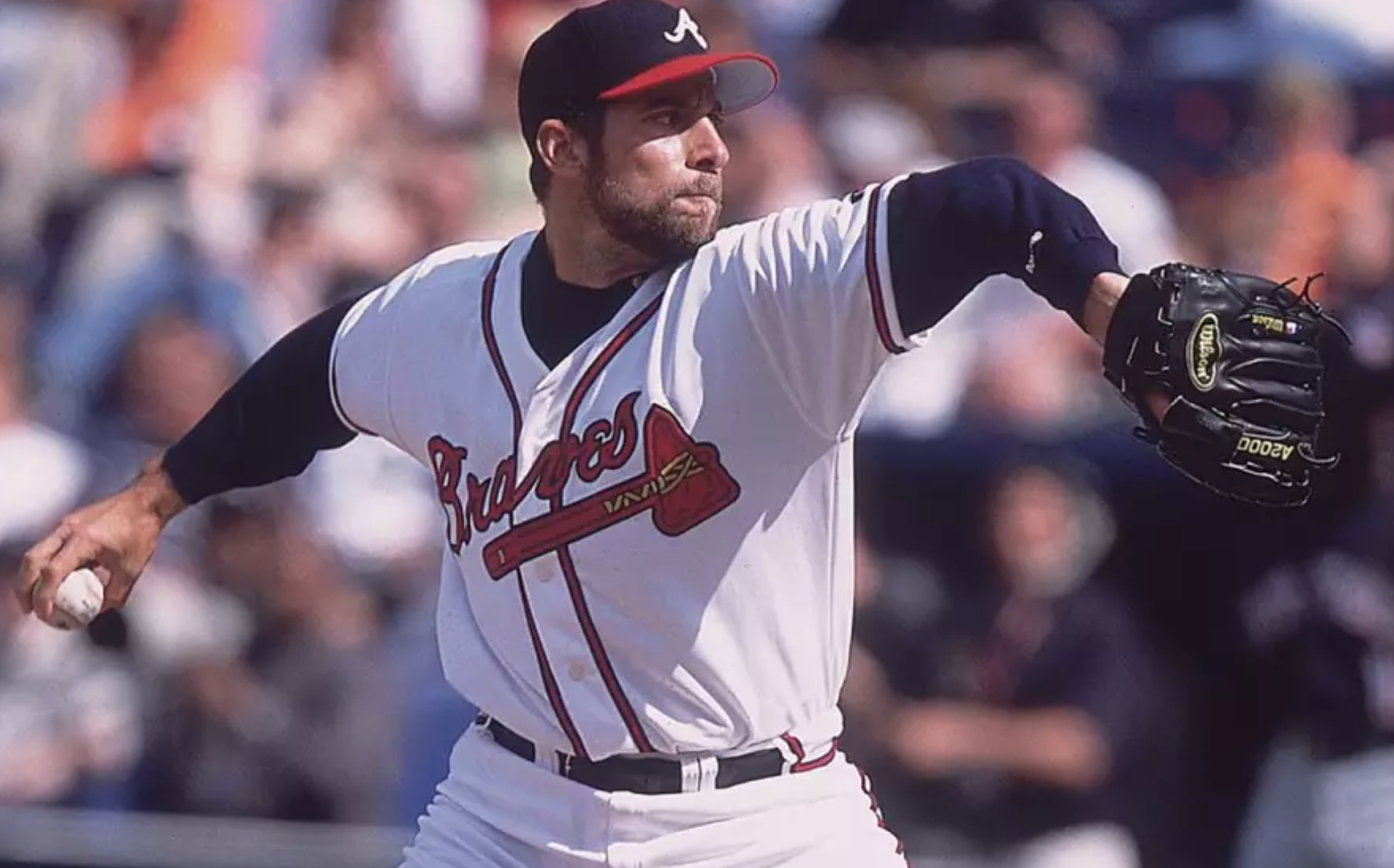
Why Sales Performance and Athletic Performance Follow Similar Mental Patterns
Sales professionals often experience performance cycles that mirror what athletes go through during a competitive season. There are periods where everything feels effortless, followed by stretches where even basic activities feel unusually difficult. In both fields, the difference between peak performance and a slump is rarely about skill alone. It is more often tied to mental conditioning, emotional regulation, and internal narrative. When sales numbers drop, professionals tend to search for external fixes such as new scripts or different tools, but the real disruption frequently starts in the mind. Pressure builds, expectations increase, and confidence quietly erodes without immediate notice.
Athletes train to manage similar fluctuations in performance by focusing on mental discipline as much as physical execution. Sales professionals can benefit from the same perspective because every call, meeting, or pitch is a performance event. The mental state entering that moment heavily influences the outcome. When doubt enters the equation, execution becomes inconsistent and hesitant. Over time, that inconsistency compounds into what is commonly called a sales slump.
The comparison between sports and sales is not metaphorical alone; it is structural. Both require repetition under pressure, recovery from rejection, and the ability to reset quickly after failure. Understanding this connection is the first step toward regaining control when performance declines.
Psychological Drivers Behind a Sales Slump
A sales slump rarely begins with a dramatic failure. It usually starts with subtle mental shifts that accumulate over time. One of the most common drivers is cognitive overload, where the mind becomes too cluttered with results-based thinking instead of process-based execution. When attention shifts from controllable actions to uncontrollable outcomes, performance begins to deteriorate.
Fear of rejection also plays a significant role. As rejections pile up, emotional resistance to outreach increases. This creates avoidance behavior, where activity drops slightly but consistently enough to impact results. Confidence becomes conditional rather than stable, depending on the most recent interaction.
Another psychological factor is distorted perception. During low-performance periods, individuals often overestimate negative outcomes while underestimating positive signals. A single unsuccessful call can feel heavier than several neutral or positive interactions. This imbalance reinforces hesitation and self-doubt.
Comparison with top performers can also intensify internal pressure. Instead of focusing on personal process improvement, attention shifts toward perceived gaps between peers. That comparison often leads to frustration rather than motivation. Without intervention, these mental patterns create a cycle that sustains the slump.
Sports Psychology Principles That Translate Directly Into Sales Performance
Sports psychology offers a structured approach to handling pressure, uncertainty, and performance variability. One core principle is mental conditioning through repetition. Athletes do not rely on motivation alone; they build automatic responses through consistent training. Sales professionals can apply the same idea by reinforcing key behaviors until they become second nature.
Visualization is another powerful tool. Athletes mentally rehearse performance scenarios before they happen, which prepares their nervous system for execution. Sales professionals can visualize calls, objections, and successful outcomes to reduce anxiety and improve clarity during real interactions.
A strong focus on process rather than outcome is also essential. Athletes concentrate on execution mechanics rather than final scores. In sales, this means prioritizing activity quality and consistency over immediate results.
Emotional regulation is another critical component. High-pressure environments trigger stress responses that can disrupt communication and decision-making. Training the mind to stay calm under pressure improves consistency. Identity reinforcement also plays a role, as individuals who see themselves as high performers are more likely to behave accordingly.
When these principles are applied consistently, performance becomes more stable even during challenging cycles.
Early Indicators of a Developing Sales Slump
Sales slumps rarely appear without warning. They often begin with subtle behavioral changes that are easy to overlook. One of the earliest signs is a decline in consistent activity. Calls may be delayed, emails postponed, and follow-ups reduced in frequency.
Another indicator is avoidance disguised as productivity adjustments. This can appear as spending more time on planning rather than executing. Emotional withdrawal from pipeline management is another sign, where prospects receive less attention than usual.
Energy during interactions also changes. Conversations may become less engaging, with reduced enthusiasm and weaker presence. Hesitation before outreach activities becomes more noticeable, even if unspoken.
Key Early Warning Signals
-
Reduced daily outreach volume
-
Increased preparation time with less execution
-
Hesitation before making calls or sending messages
-
Lower emotional engagement during conversations
-
Avoidance of high-priority prospects
-
Over-analysis of past interactions instead of forward action
-
Decline in proactive pipeline movement
Recognizing these signals early allows for faster correction before the slump deepens.
Resetting Mental State Using Athlete-Level Conditioning Techniques
Athletes rely heavily on mental reset routines to maintain consistent performance. Sales professionals can adopt similar techniques to regain clarity during low-performance periods. One effective method is controlled breathing, which helps regulate the nervous system and reduce stress response intensity.
Cognitive reframing is another essential tool. Instead of interpreting rejection as failure, it can be viewed as data that improves future performance. This shift reduces emotional weight and restores forward momentum.
Physical cues can also be used as psychological anchors. Athletes often use gestures or routines to trigger focus states, and sales professionals can do the same before calls or meetings.
Reset rituals before high-pressure interactions help create mental separation from previous outcomes. This prevents emotional carryover from affecting new opportunities. Over time, these routines train the mind to recover faster and maintain consistency even under pressure.
Rebuilding Confidence Through Controlled Performance Wins
Confidence does not return instantly after a slump. It must be rebuilt through structured and repeatable actions. One effective approach is breaking down large targets into smaller, manageable performance goals. This reduces pressure and increases momentum through achievable progress.
Another method is creating low-risk repetitions. These are interactions designed to rebuild comfort and familiarity without high emotional stakes. Over time, these repetitions restore fluency and confidence in execution.
Skill reinforcement is also important. Practicing objection handling, messaging clarity, and conversational flow strengthens internal certainty. Consistency becomes more important than intensity during this stage.
Rebuilding confidence also involves tracking visible progress. When individuals see measurable improvement, motivation becomes more stable. The goal is not rapid transformation but steady reinforcement of capability through controlled performance exposure.
Handling Rejection Without Emotional Performance Decline
Rejection is unavoidable in sales, but emotional reaction to rejection determines long-term performance stability. One effective approach is separating identity from outcome. A rejected offer does not reflect personal value or ability. It simply reflects timing, fit, or situational factors.
Athletes often use attribution techniques to analyze performance objectively rather than emotionally. This same approach helps reduce emotional weight after rejection. Recovery speed becomes more important than avoidance of rejection itself.
Maintaining composure during rejection cycles requires training the mind to normalize outcomes. High-volume performance environments naturally include frequent setbacks. When this expectation is internalized, emotional disruption decreases significantly.
Developing psychological distance from individual outcomes allows for quicker recovery. Instead of dwelling on one interaction, attention shifts immediately to the next opportunity. This forward-focused mindset prevents emotional accumulation that contributes to slumps.
Creating a High-Performance Sales Routine Inspired by Athletes
Elite athletes rely on structured routines to maintain consistency. Sales professionals can benefit from similar structure in daily execution. A performance-focused morning routine sets mental clarity before activity begins. This may include mental preparation, review of goals, and intention setting.
Energy management throughout the day is also critical. High-performance periods should be matched with recovery moments to prevent burnout. Sales execution is not only about intensity but also sustainability.
Post-interaction reflection helps reinforce learning and improvement. Instead of focusing only on results, attention is placed on execution quality. This creates continuous refinement without emotional judgment.
Routine consistency builds stability. When behavior becomes predictable, performance becomes easier to control. This reduces reliance on motivation and increases dependence on structure.
Visualization Training for Sales Execution Excellence
Visualization is widely used in sports psychology to improve performance readiness. It involves mentally rehearsing scenarios before they occur. In sales, this can include imagining calls, objections, and successful responses.
When the mind repeatedly visualizes successful execution, anxiety decreases during real interactions. The nervous system becomes familiar with the experience, reducing uncertainty. Visualization also improves response speed during conversations.
It is also useful for preparing for difficult scenarios. Anticipating objections mentally helps reduce surprise and hesitation. This creates smoother communication under pressure.
Over time, visualization strengthens confidence and reduces emotional volatility. It trains the mind to expect success while staying prepared for challenges.
Achieving Flow State in Sales Performance
Flow state occurs when focus, skill, and challenge align perfectly. In this state, performance feels effortless and highly efficient. Sales professionals can reach flow by eliminating distractions and focusing deeply on one task at a time.
Time blocking helps create uninterrupted focus sessions. During these periods, all attention is directed toward execution rather than multitasking. Challenge level must match skill level to maintain engagement without overwhelm.
Recognizing early signs of flow helps reinforce positive habits. These signs include reduced self-awareness, increased focus, and smoother communication.
Sustaining flow requires consistency in environment and mindset. When distractions are minimized, performance stability increases significantly.
Training the Sales Mind Like an Elite Athlete
Elite athletes train daily regardless of mood or external conditions. This discipline builds long-term resilience and performance consistency. Sales professionals can adopt the same mindset by treating skill development as a continuous process.
Repetition is essential for mastery. Conversations, messaging, and objection handling improve through consistent practice. Coaching feedback further refines performance by identifying blind spots.
Mental endurance also plays a major role. Long sales cycles require sustained focus and emotional control. Progressive challenge increases adaptability over time.
Discipline becomes the foundation of performance stability. When actions are consistent, results become more predictable.
Frequently Asked Questions
What causes a sales slump to develop over time?
A sales slump often develops due to psychological pressure, reduced confidence, and inconsistent execution patterns rather than a single event.
How does sports psychology help with sales performance?
It provides mental training techniques such as visualization, emotional regulation, and process-focused thinking that improve consistency.
Can visualization really improve sales outcomes?
Yes, visualization prepares the mind for real scenarios, reducing anxiety and improving execution clarity.
How long does it take to recover from a sales slump?
Recovery time varies, but consistent mental conditioning and structured activity can begin restoring performance within weeks.
What is the most effective way to handle rejection?
Separating identity from outcomes and treating rejection as feedback rather than failure helps maintain emotional stability.
What daily habits prevent future slumps?
Structured routines, consistent activity levels, reflection practices, and mental reset techniques help maintain stability.
Why do high performers experience slumps?
Even top performers experience slumps due to psychological fatigue, pressure cycles, and fluctuations in focus.
Takeaway
Breaking performance decline requires more than tactical adjustments; it demands mental restructuring similar to what athletes use in competitive environments. When mindset, routine, and emotional regulation align, consistency becomes easier to sustain. Sales performance stabilizes when attention shifts from outcomes to disciplined execution. The most effective path forward is building repeatable mental habits that reinforce confidence and clarity under pressure.
Read More: https://smartcalling.com/breaking-a-sales-slump-with-sports-psychology/