

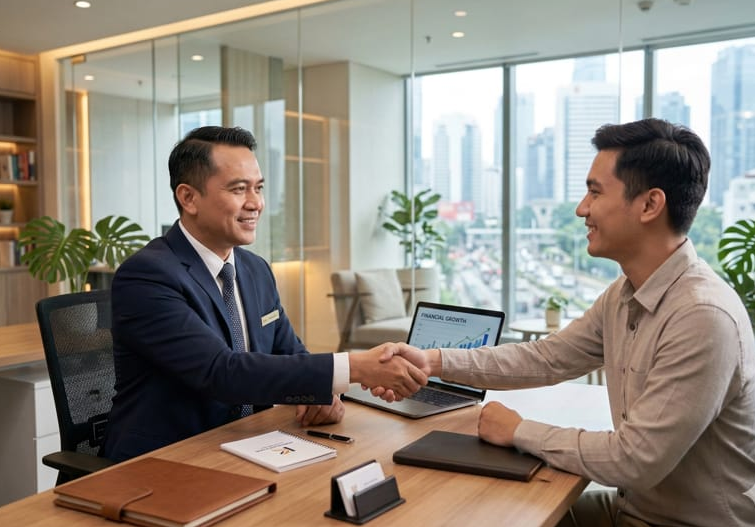
What Professional Sales Closers Really Do
Professional sales closers play a critical role in helping businesses convert qualified prospects into paying customers. These professionals specialize in guiding leads through the final stages of the buying journey while building trust and confidence throughout the conversation. Unlike appointment setters or lead generators, professional sales closers focus specifically on turning opportunities into revenue-producing deals. Their expertise becomes especially valuable in industries that sell premium services, high-ticket programs, and customized solutions that require more personalized communication.
Modern businesses operate in highly competitive markets where buyers are more informed than ever before. Customers often compare multiple providers before making a purchasing decision, which means companies must present their offers strategically and professionally. Professional sales closers understand buyer psychology and know how to communicate value instead of relying on pressure tactics. They create meaningful conversations that help prospects understand how a product or service solves their specific challenges. This relationship-focused approach helps improve conversion rates while protecting a company’s reputation.
The demand for professional sales closers continues to rise globally, especially in major business markets like the USA, UK, Canada, Australia, UAE, and Singapore. Companies are increasingly using remote sales teams to expand internationally without opening physical offices in every region. This shift has created more opportunities for businesses to access experienced sales talent regardless of location. Professional closers can now support organizations across multiple time zones while maintaining strong communication and sales consistency. Their ability to adapt to different customer personalities and cultural expectations makes them highly valuable in global markets.
Why Businesses Hire Professional Sales Closers
Many businesses struggle with losing qualified leads during the final stage of the sales process. Marketing campaigns may generate traffic and inquiries, but without strong closing expertise, companies often fail to convert those leads into paying customers. Professional sales closers bridge that gap by handling objections, reinforcing value, and helping buyers feel confident about moving forward. Their specialized skill set allows businesses to maximize the return on their marketing investments while increasing overall profitability.
Hiring experienced closers can also reduce the burden on business owners and internal teams. Entrepreneurs often spend too much time managing sales conversations instead of focusing on growth, operations, or customer experience. By working with professional sales closers, businesses can delegate the sales process to trained experts who understand how to guide conversations toward successful outcomes. This improves efficiency and creates a more scalable business structure.
There are several reasons businesses choose to invest in professional sales closers:
-
Higher conversion rates from qualified leads
-
Improved customer communication and trust
-
Better handling of objections and concerns
-
Increased revenue without significantly raising advertising costs
-
Stronger follow-up systems for long sales cycles
-
Greater consistency in sales performance
-
Expanded reach into global markets
Professional closers also contribute to stronger customer relationships because they prioritize understanding client needs before presenting solutions. Buyers today prefer personalized conversations rather than generic sales scripts. A skilled closer listens carefully, identifies pain points, and demonstrates how a service or product can provide measurable value. This customer-centered strategy leads to better retention and stronger long-term business growth.
Core Skills Every Professional Sales Closer Must Master
The most effective professional sales closers combine communication expertise, emotional intelligence, and strategic thinking. Their role requires far more than simply asking for a sale. Successful closers know how to build trust, ask insightful questions, and guide prospects through complex buying decisions. They understand that every customer has different motivations, concerns, and expectations that must be addressed carefully.
Communication is one of the most important skills in professional sales closing. Closers must actively listen instead of dominating conversations with scripted pitches. By listening carefully, they can uncover customer goals, frustrations, and hidden objections that influence purchasing decisions. This information allows them to personalize their approach and create stronger connections with prospects. Effective communication also helps build credibility and confidence throughout the sales process.
Another critical skill is objection handling. Many buyers hesitate because of concerns related to pricing, timing, or uncertainty about results. Professional sales closers know how to respond calmly and strategically without sounding defensive or aggressive. They acknowledge concerns respectfully while helping prospects focus on long-term value and business impact. This balanced approach keeps conversations productive and reduces resistance during negotiations.
Emotional intelligence also separates elite closers from average sales professionals. Buyers respond positively to authenticity and empathy, especially in high-ticket sales environments. Professional sales closers can recognize emotional cues and adapt their communication style accordingly. This ability helps them establish trust more quickly while making customers feel understood and respected.
Industries That Benefit Most From Professional Sales Closers
Professional sales closers provide value across many industries, especially those offering premium products or services that require personalized communication. Businesses selling high-ticket solutions often depend on detailed conversations before customers commit to purchasing. In these situations, professional closers help educate prospects while reinforcing the long-term benefits of the offer.
The coaching and consulting industry heavily relies on professional sales closers because programs often involve significant investments. Prospects usually need guidance before committing to business coaching, executive mentoring, or specialized consulting services. A skilled closer helps clarify the value of the program while addressing any doubts or hesitations the prospect may have. This creates a smoother buying experience that feels collaborative instead of transactional.
Technology companies and SaaS providers also benefit greatly from experienced closers. Software solutions can involve technical explanations, pricing structures, and long-term contracts that require careful communication. Professional sales closers simplify complex information and focus on the measurable outcomes businesses can achieve by using the software. This helps prospects feel more comfortable making informed purchasing decisions.
Other industries that commonly use professional sales closers include:
-
Real estate and property investment
-
Financial services and insurance
-
Luxury products and premium retail
-
Healthcare and medical services
-
Digital marketing agencies
-
E-commerce brands selling high-ticket products
-
Corporate training providers
As global business continues to expand, more industries are recognizing the importance of specialized sales expertise. Professional sales closers help companies maintain strong customer communication while scaling into new markets and regions.
The Professional Sales Closing Process Explained
Professional sales closing follows a structured process designed to guide prospects naturally toward a purchasing decision. Each stage focuses on building trust, understanding customer needs, and positioning solutions effectively. While every business may customize its approach, the core principles remain consistent across industries.
The process usually begins with lead qualification. Professional sales closers identify whether a prospect matches the ideal customer profile and has genuine interest in the offer. This prevents wasted time on unqualified leads while improving overall efficiency. Qualified leads are then moved into deeper discovery conversations where closers learn about customer goals, pain points, and expectations.
During the discovery stage, professional sales closers ask thoughtful questions that encourage open communication. They focus on understanding the prospect’s current challenges and desired outcomes. This information becomes the foundation for presenting tailored solutions instead of generic sales pitches. Buyers are more likely to move forward when they feel the conversation addresses their unique needs.
The presentation stage centers on value rather than product features. Professional sales closers explain how the solution helps customers achieve measurable improvements or solve specific problems. Instead of overwhelming prospects with information, they focus on benefits that align directly with the customer’s priorities. This creates stronger emotional and logical reasons to move forward.
Objection handling becomes important once prospects begin evaluating the offer more seriously. Common concerns may involve budget, timing, trust, or uncertainty about results. Skilled closers remain calm and professional while guiding prospects through these concerns respectfully. Their goal is to create clarity and confidence rather than pressure buyers into making rushed decisions.
The final stage involves securing commitment and establishing next steps. Professional sales closers recognize buying signals and know when to transition naturally into closing conversations. They make the process feel smooth and collaborative while reinforcing the value of the decision. After the sale, many closers continue supporting relationship-building efforts through follow-up communication and customer engagement.
Professional Sales Closers vs In-House Sales Teams
Businesses often debate whether to hire internal sales representatives or work with professional sales closers externally. Both options have advantages, but outsourced or remote closers provide unique benefits that many modern businesses find attractive. One major advantage is flexibility. Companies can scale their sales efforts faster without investing heavily in recruitment, office space, or long onboarding processes.
Professional sales closers also bring specialized expertise that internal teams may not possess. Many closers have experience across multiple industries and understand advanced sales psychology, negotiation strategies, and conversion techniques. This broad knowledge allows them to adapt quickly and contribute results faster than less experienced in-house staff members.
Cost efficiency is another important factor. Hiring full-time employees involves salaries, benefits, training, and management expenses. Outsourced closers often operate on performance-based compensation structures that align directly with revenue generation. This can reduce financial risk while improving accountability and productivity.
Remote professional sales closers are especially valuable for businesses serving global markets. Companies expanding into the USA, UK, Canada, Australia, UAE, and Singapore can work with closers who understand different customer expectations and communication styles. This international reach allows businesses to grow faster while maintaining consistent sales performance across multiple regions.
The Technology Behind Modern Professional Sales Closing
Technology has transformed how professional sales closers interact with prospects and manage sales pipelines. Modern CRM systems allow closers to track conversations, schedule follow-ups, and organize customer information more efficiently. This helps ensure that no opportunity is overlooked during the sales cycle.
Video conferencing platforms have also become essential tools for remote closing. Businesses can now conduct professional sales presentations with prospects anywhere in the world. Virtual meetings create face-to-face interactions that build trust while reducing travel costs and scheduling limitations. This flexibility has accelerated the growth of global remote sales teams.
Artificial intelligence and automation tools are increasingly supporting sales performance as well. AI-powered systems can analyze customer behavior, identify buying patterns, and recommend follow-up actions based on data insights. Professional sales closers use these tools to improve decision-making and optimize their communication strategies.
Popular technologies used by professional sales closers include:
-
CRM and pipeline management software
-
Video conferencing platforms
-
Automated scheduling tools
-
Sales analytics dashboards
-
AI-driven lead scoring systems
-
Call tracking and recording software
-
Email automation platforms
These technologies help closers stay organized while improving the customer experience throughout the buying journey. Businesses that combine skilled closers with modern sales tools often achieve stronger conversion rates and more predictable revenue growth.
Common Myths About Professional Sales Closers
There are many misconceptions surrounding professional sales closers and how they operate. One common myth is that great closers are simply born with natural persuasion abilities. While personality can influence communication style, effective closing is primarily a learned skill developed through training, experience, and consistent practice. Professional sales closers continuously refine their techniques to improve results.
Another misconception is that sales closing depends on aggressive tactics and pressure. In reality, modern buyers respond poorly to manipulative selling approaches. Professional sales closers focus on education, relationship-building, and value communication rather than forcing decisions. Their goal is to help prospects feel informed and confident about their choices.
Some businesses also believe that professional closers only work in high-ticket industries. Although they are highly effective in premium sales environments, closers can improve performance in many types of businesses. Any organization that requires consultative selling and personalized conversations can benefit from experienced sales professionals.
Another myth suggests that remote sales closers are less effective than in-person representatives. Advances in communication technology have made virtual sales conversations highly productive and engaging. Many customers now prefer remote meetings because they offer convenience and flexibility without sacrificing communication quality.
How Businesses Can Maximize Results With Professional Sales Closers
Businesses achieve the best results with professional sales closers when they align marketing, operations, and customer service efforts together. Sales performance improves significantly when closers receive qualified leads that match the company’s ideal customer profile. This allows them to focus on productive conversations instead of spending time filtering out unqualified prospects.
Clear communication between departments is also essential. Marketing teams should provide accurate messaging that aligns with the sales process, while customer support teams should maintain strong experiences after the purchase. Consistency across the customer journey builds trust and strengthens long-term retention.
Companies can maximize sales performance by focusing on these strategies:
-
Improve lead quality through targeted marketing
-
Provide ongoing sales training and coaching
-
Use data analytics to track conversion trends
-
Develop clear follow-up systems
-
Maintain consistent brand messaging
-
Invest in customer relationship management tools
-
Encourage collaboration between sales and marketing teams
Continuous improvement is another key factor. Professional sales closers perform best when businesses regularly evaluate sales metrics, identify challenges, and refine strategies based on real-world performance data. This creates a culture of growth that supports long-term scalability and revenue expansion.
Takeaway
Professional sales closers have become essential partners for businesses seeking sustainable revenue growth in competitive markets. Their ability to communicate value, handle objections, and build authentic customer relationships makes them highly effective in modern sales environments. Companies across industries increasingly rely on experienced closers to improve conversion rates while creating better customer experiences.
As global business continues to evolve, remote and international sales teams are becoming more common. Professional sales closers help businesses expand into major markets like the USA, UK, Canada, Australia, UAE, and Singapore without sacrificing communication quality or sales performance. Their expertise supports scalable growth while allowing business owners to focus on broader operational goals.
Organizations that combine skilled closers with strong systems, targeted marketing, and modern technology position themselves for long-term success. By investing in professional sales closing expertise, businesses can create stronger customer relationships, increase revenue opportunities, and compete more effectively in today’s evolving marketplace.
FAQ
What is a professional sales closer?
A professional sales closer is a trained sales expert responsible for converting qualified leads into paying customers. They specialize in guiding prospects through the final stages of the sales process while addressing objections and building trust.
How do professional sales closers increase revenue?
Professional sales closers improve conversion rates by using strategic communication, objection handling, and relationship-building techniques. Their expertise helps businesses turn more qualified leads into customers without increasing advertising costs.
Are remote professional sales closers effective?
Yes, remote professional sales closers are highly effective when supported by modern communication tools and CRM systems. Many businesses successfully use virtual sales teams to serve customers globally.
What industries benefit most from professional sales closers?
Industries such as coaching, consulting, SaaS, real estate, healthcare, finance, luxury retail, and high-ticket e-commerce commonly benefit from professional sales closers.
What skills should businesses look for in a sales closer?
Businesses should look for strong communication abilities, emotional intelligence, negotiation expertise, objection-handling skills, and experience with CRM technology.
Can small businesses benefit from professional sales closers?
Absolutely. Small businesses often benefit significantly because professional closers help maximize limited marketing budgets and improve sales efficiency.
What tools do professional sales closers commonly use?
Professional sales closers often use CRM software, video conferencing platforms, analytics dashboards, automated scheduling systems, and AI-powered sales tools.
Why are global companies investing in professional sales closers?
Global businesses invest in professional sales closers to improve conversion rates, strengthen customer communication, and scale into international markets more efficiently.